20 April 2023, Volume 34 Issue 2
    

  • Select all
    |
    Important Invasive Alien Vectors and Pathogens
  • LIANG Ying, XU Ye, YIN Ying-xuan, LI Xue-rong, MAO Fan-zhen, DAI Yang, LI Hong-yun, LI Chao, MA De-long, ZHOU Ruo-bing, WEI Xiao-hui, WANG Xiao-xu, JI Hao-qiang, YUE Yu-juan, HOU Xue-xin, LI Ming-hui, LI Zhen-jun, CAI Hui-ling, LIU Qi-yong
    Chinese Journal of Vector Biology and Control. 2023, 34(2): 129-136. https://doi.org/10.11853/j.issn.1003.8280.2023.02.001
    Abstract ( ) Download PDF ( )   Knowledge map   Save
    Objective To formulate a catalogue of alien vectors and pathogenic organisms for early warning and effective prevention of alien species invasion. Methods The authors searched literature, online databases, and published catalogues for alien vectors and pathogens that can seriously threaten the health of human and animals and agricultural and ecological security. They were evaluated for the risk of invasion to China by using a suitable habitat prediction model and a comprehensive evaluation system of multiple indicators. Candidate species with the potential of invasion were included in this catalogue. Results A total of 304 alien species were screened out and listed in this catalogue for China, including 69 vectors and 235 pathogenic organisms. Among them, 275 species (47 vectors and 228 pathogens) had high probability of invading China. Conclusion This catalogue can be used as an early warning directory to prevent alien vectors and pathogenic organisms from invading China, which provides a reference for relevant departments to formulate preventive management strategies and measures.
  • YIN Ying-xuan, XU An-yuan, PAN Xiao-wen, HE Qing, WU Yin-juan, LI Xue-rong
    Chinese Journal of Vector Biology and Control. 2023, 34(2): 137-144. https://doi.org/10.11853/j.issn.1003.8280.2023.02.002
    Abstract ( ) Download PDF ( )   Knowledge map   Save
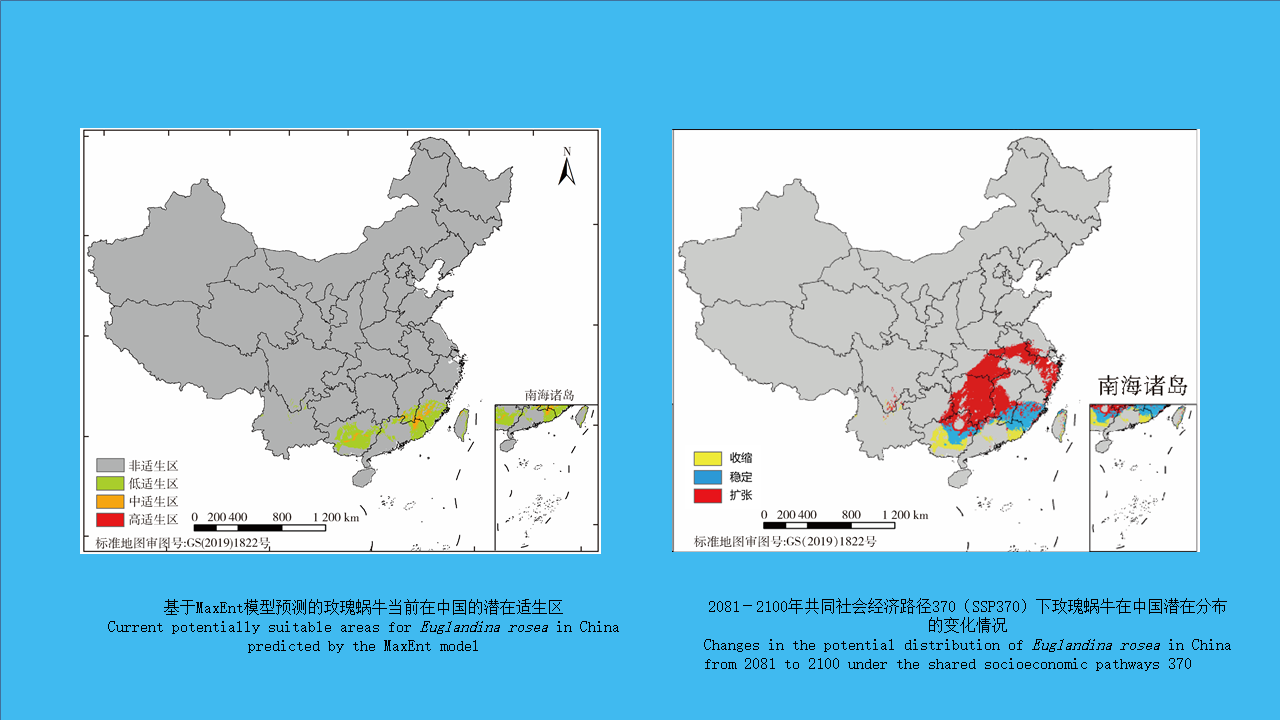
    Objective To predict the potential distribution of Euglandina rosea in China under current and future climatic conditions via an optimized maximum entropy (MaxEnt) model, and to provide a theoretical basis for the prevention and control of invasion of E. rosea in China. Methods The global occurrence records of E. rosea were collected and screened using ENMtool. Maxent 3.4.1 and GraphPad Prism 8 were used to screen environmental variables according to the contribution rate of environmental variables, the jackknife method, and the correlation analysis of variables. The "kuenm" package was run in R 4.0.4 software to calculate and adjust the model parameters by means of regularization multipliers and feature combinations. The optimized MaxEnt model was used to predict the potential distribution of E. rosea in China under current and future climate scenarios. ArcGIS 10.7 was used to process the results and map the images. Results A total of 780 E. rosea occurrence records were identified, and four environmental variables were used to construct the MaxEnt model. The area under the curve (AUC) of the model was 0.963. The most influential environmental factors on the distribution of E. rosea were precipitation of the driest quarter and the highest temperature in February. The MaxEnt model predicted that the current potential areas of E. rosea were distributed in the southeast of China, concentrated in Fujian province, Guangdong province, and central Guangxi Zhuang Autonomous Region. It would gradually expand northward to Hunan province, Jiangxi province, central Anhui province, eastern Hubei province, and some areas of Zhejiang province in the future. Conclusions E. rosea has potential distribution in China. With global warming, its potential habitat areas will gradually expand, while at lower latitudes in the southeast they will slightly shrink. As a result, the overall center of potential areas shifts northward.
  • LI Chao, YANG Hai-bo, LIANG Ying, WANG Guo-zheng, LI Yang, WANG Bin, LI Hong-yun, WANG Jun, LIU Qi-yong
    Chinese Journal of Vector Biology and Control. 2023, 34(2): 145-153. https://doi.org/10.11853/j.issn.1003.8280.2023.02.003
    Abstract ( ) Download PDF ( )   Knowledge map   Save
    Objective To assess the risk of Anopheles barbirostris invading China under future climate change scenarios, and to provide a basis for monitoring and early warning. Methods The maximum entropy model was used to predict the recent global potential distribution and project the future potential distribution of An. barbirostris in China. The main environmental factors affecting the distribution of An. barbirostris were analyzed based on the contribution rate of environmental factors. The vector risk assessment index system was established to calculate the comprehensive risk value of invasive species. Results A total of 99 effective distribution points of An. barbirostris were identified. The rainfall in September played a leading role in affecting the distribution of potential suitable areas of An. barbirostris. The omission rate of model training was roughly the same as the theoretical omission rate, and the area under the receiver operating characteristic curve was 0.988. Under the current climate scenario, the potential suitable areas of An. barbirostris in China were mainly in Guangdong province, Guangxi Zhuang Autonomous Region, and Hainan province as well as the eastern Sichuan Basin. In 2081-2100, China has the largest potential suitable area (207.51×10⁴ km2) under the shared socioeconomic pathway 585 climate scenario, and the area of suitable area will show an increasing trend under various climate scenarios. Through the risk assessment index system, it was calculated that the comprehensive risk value of An. barbirostris was 0.57, so An. barbirostris belonged to the medium-risk invasive species. Conclusions An. barbirostris is a species with a medium invasion risk. In the future, the mosquito vector surveillance system should be improved according to the distribution of its suitable areas, and scientific prevention and control strategies should be formulated.
  • WANG Xiao-xu, JI Hao-qiang, WEI Xiao-hui, LIANG Ying, LIU Qi-yong
    Chinese Journal of Vector Biology and Control. 2023, 34(2): 154-164. https://doi.org/10.11853/j.issn.1003.8280.2023.02.004
    Abstract ( ) Download PDF ( )   Knowledge map   Save
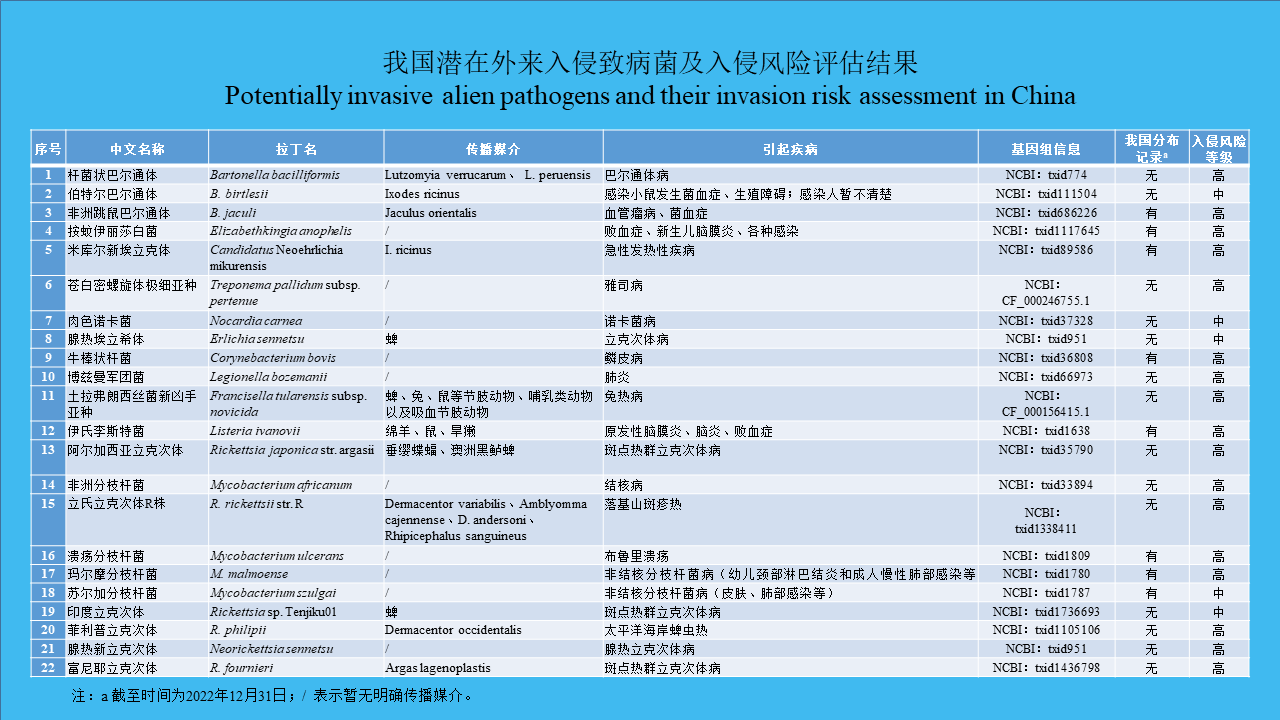
    Objective To assess the risk of alien pathogen invasion in China, and to reduce their harms. Methods The alien pathogens that might invade China since the year of 2000 were identified through consulting the literature, domestic and alien invasive species databases, and experts, and the risk assessment index system and risk assessment standard for alien pathogen invasion that adapt to the local ecological environment and economic and social development were established. Results Through the above method, the status description and risk assessment of 22 pathogens were carried out. It was found that 17 pathogens were high-risk invasion, 5 pathogens were medium risk invasion, among which 8 pathogens had invaded China. Conclusions China is facing a large risk of invasion of foreign pathogenic bacteria, and the monitoring and warning should be strengthened in time to prevent and control foreign pathogens.
  • WEI Xiao-hui, WANG Xiao-xu, JI Hao-qiang, LIANG Ying, LIU Qi-yong
    Chinese Journal of Vector Biology and Control. 2023, 34(2): 165-175. https://doi.org/10.11853/j.issn.1003.8280.2023.02.005
    Abstract ( ) Download PDF ( )   Knowledge map   Save
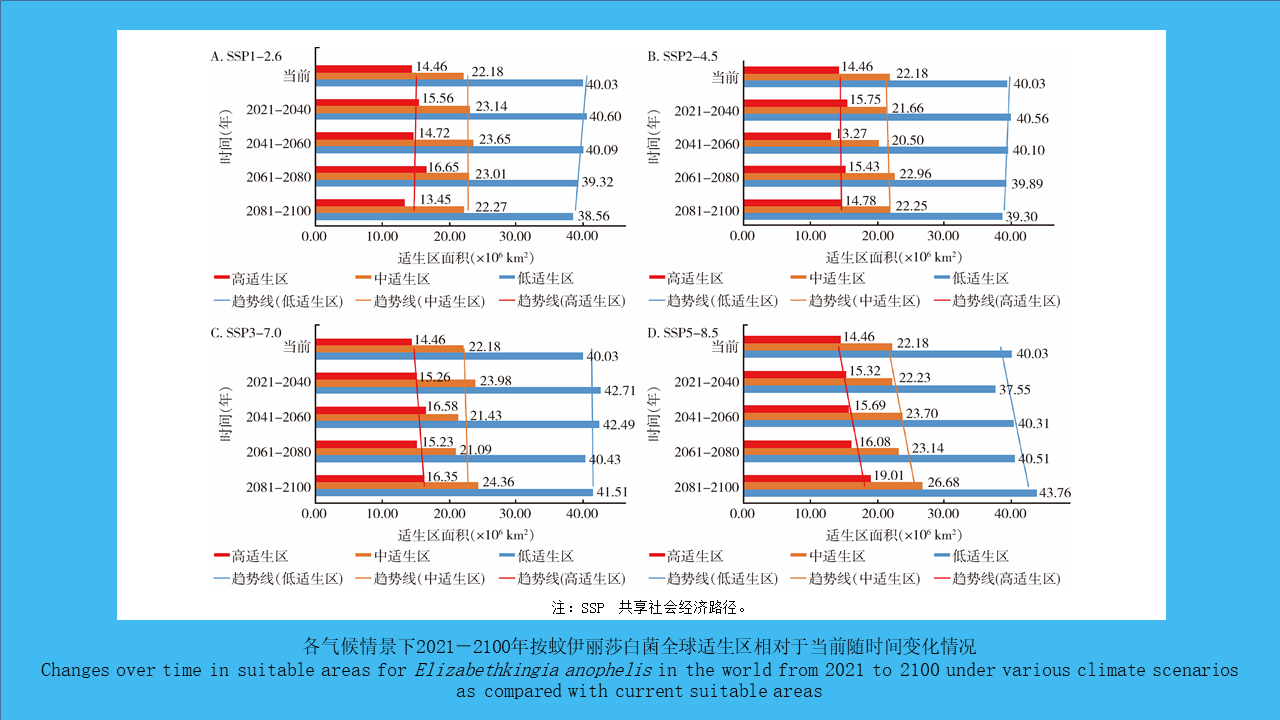
    Objective To determine the current and future suitable areas of Elizabethkingia anophelis, and to provide a reference for preventing its outbreak and spread in China. Methods With 21 pieces of information on the geographical distribution of E. anophelis and data on 56 climatic factors, a MaxEnt model was used to estimate the suitable areas of E. anophelis in the world and China. R 4.2.2 software was used to adjust model parameters, and construct the receiver operating characteristic curve. The area under the curve was calculated to evaluate the accuracy of the model. The results were visualized using ArcGIS 10.5 software. Results Annual precipitation (bio12, 27.0%) and the minimum temperature in January (tmin01, 22.2%) contributed most to the distribution of E. anophelis. Under current climatic conditions, the highly suitable areas for E. anophelis were mainly distributed in the southeastern United States, northern South America, western Europe, central Africa, and parts of southeastern Asia; in China, they were mainly distributed in the wet regions south of the Qinling-Huaihe Line. Under future climatic conditions, climate changes of varying intensities generally promoted the suitable areas of E. anophelis in the world and China, especially under high radiative forcing. Conclusions There are large suitable areas for E. anophelis in the world and China under both current and future climate conditions, which are expected to be promoted with the change of climate in the future. Authorities should take measures to control greenhouse gas emissions to limit the increase of E. anophelis’ suitable areas. Provinces with its highly suitable areas should strengthen surveillance, risk assessment and response.
  • MAO Fan-zhen, ZHANG Ying-shu, YANG You-gui, DING Xin, DAI Yang
    Chinese Journal of Vector Biology and Control. 2023, 34(2): 176-181. https://doi.org/10.11853/j.issn.1003.8280.2023.02.006
    Abstract ( ) Download PDF ( )   Knowledge map   Save
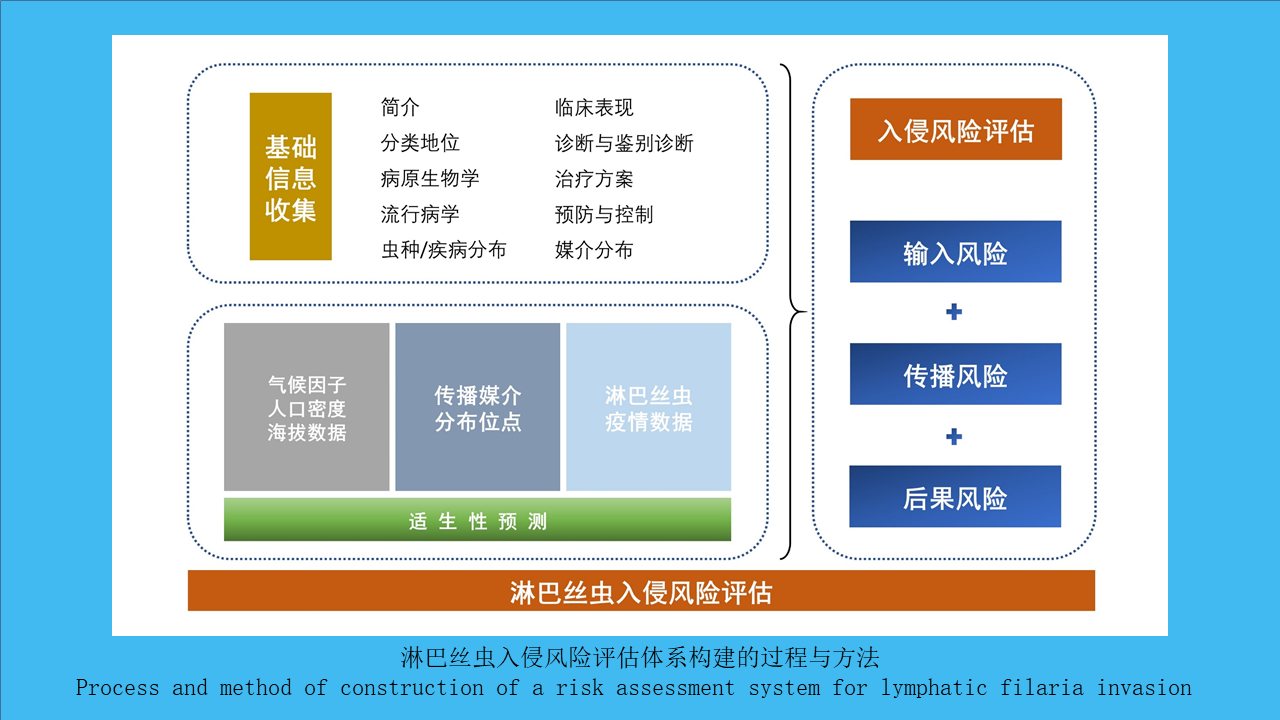
    Objective To establish a risk assessment system for lymphatic filaria invasion in China, and to offer scientific evidence for the risk assessment and prevention and control of lymphatic filaria invasion in China. Methods Based on data on climate factors, population density, altitude, and the distribution of filarial vector mosquitoes downloaded from the Global Biodiversity Information Facility, a MaxEnt model was used to project the potential distribution of vector mosquitoes in China under different future climate scenarios. Through literature review and expert consultation, assessment indicators and assignment criteria were determined to construct a risk assessment system for evaluating the risk level of lymphatic filaria invasion in China. Results Through literature review and two rounds of expert consultation, three primary indicators and 16 secondary indicators were included in the lymphatic filaria invasion risk assessment system. There were six indicators for import risk (scored 0-4), six indicators for transmission risk (scored 0-4), and four indicators for consequence risk (scored 0-2). A pooled risk score of 0-3 was defined as low risk, 4-6 as medium risk, 7-8 as high risk, and 9-10 as extremely high risk. The Kendall’s coefficients of concordance for the first and second rounds of expert consultation were 0.713 and 0.825, respectively, indicating a good level of agreement. According to suitable habitat prediction, its vectors Anopheles sinensis, Culex pipiens quinquefasciatus, and An. barbirostris had broad distributions with increasing trends in China. The risk levels of Wuchereria bancrofti, Brugia malayi, and B. timori invasions in China were medium, medium, and low, respectively. Conclusions A lymphatic filaria invasion risk assessment system is established for the first time, which provides a basis for post-elimination risk assessment of lymphatic filaria invasion and control of key risk factors.
  • LI Hong-yun, WANG Zhen-xu, LI Chao, MA Tian, LI Rui-xiao, LIU Qi-yong
    Chinese Journal of Vector Biology and Control. 2023, 34(2): 182-188. https://doi.org/10.11853/j.issn.1003.8280.2023.02.007
    Abstract ( ) Download PDF ( )   Knowledge map   Save
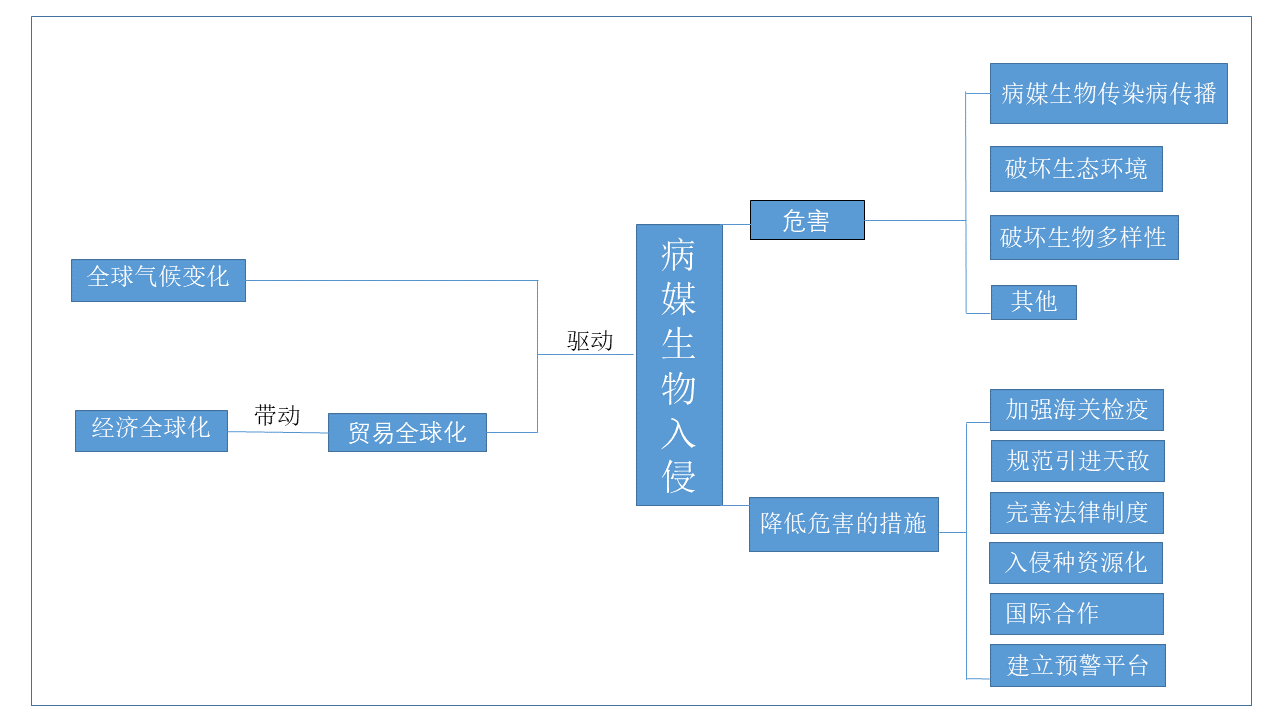
    With climate change and economic globalization, vector invasion is becoming increasingly widespread and severe in the world. On the one hand, climate warming has changed the structure and function of ecosystems, creating suitable environments for vector invasion. On the other hand, economic globalization drives the globalization of trade, providing a crucial pathway for vector invasion. Invasion of vectors has resulted in the prevalence of vector-borne infectious diseases and damage to human living environments, thus endangering human health, disrupting our daily life and production activities, and posing public health risks. This paper presents a comprehensive analysis of the risks to human health caused by vector invasion driven by climate change and economic globalization, which provides a foundation for studying the prevention and control of vector invasion and vector-borne infectious diseases.
  • Experimental Study
  • LYU Wen-xiang, CHENG Peng, LEI Jing-jing, GUO Xiu-xia, WANG Hai-fang, GONG Mao-qing, LIU Li-juan
    Chinese Journal of Vector Biology and Control. 2023, 34(2): 189-195. https://doi.org/10.11853/j.issn.1003.8280.2023.02.008
    Abstract ( ) Download PDF ( )   Knowledge map   Save
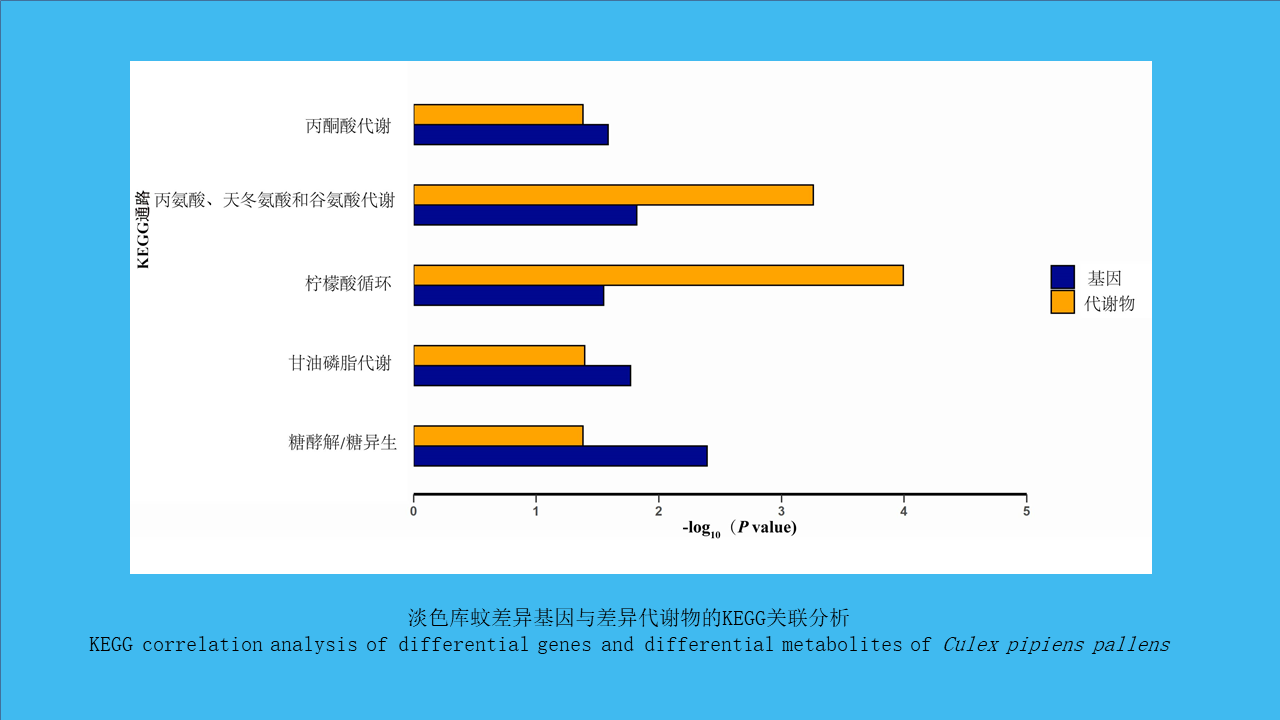
    Objective To observe the effect of feeding Aeromonas hydrophila on the transcriptome and metabolome of adult Culex pipiens pallens, and to further study the function of A. hydrophila. Methods Transcriptome and metabolome sequencing were performed on adult Cx. pipiens pallens fed with A. hydrophila and its control group, and a conjoint analysis was performed on the results of transcriptome and metabolome. Results A total of 305 differentially expressed genes were identified in the transcriptome. Functional enrichment analysis showed that the genes were mainly glucose metabolism, lipid metabolism, and protein metabolism pathways. A total of 575 differential metabolites were obtained in the metabolome, and functional enrichment analysis showed that the main metabolites were citric acid cycle and amino acid metabolism pathway. Conjoint analysis of the transcriptome and metabolome revealed that five pathways were co-enriched, which were glycolysis/gluconeogenesis, glycerophospholipid metabolism, citric acid cycle, alanine, aspartic and glutamic acid metabolism, and pyruvate metabolism. The enrichment of citric acid cycle had the highest significance. Conclusions A. hydrophila can activate the glucose metabolism, lipid metabolism, and amino acid metabolism pathways of Cx. pipiens pallens, and provide essential energy, protein, and lipid for Cx. pipiens pallens.
  • HUA Dong-dong, WANG Lei, XIAO Di, LI Wen-yu, ZHOU Xin-xin, LUN Xin-chang, MU Qun-zheng, LIU Qi-yong, MA Wei, MENG Feng-xia
    Chinese Journal of Vector Biology and Control. 2023, 34(2): 196-203. https://doi.org/10.11853/j.issn.1003.8280.2023.02.009
    Abstract ( ) Download PDF ( )   Knowledge map   Save
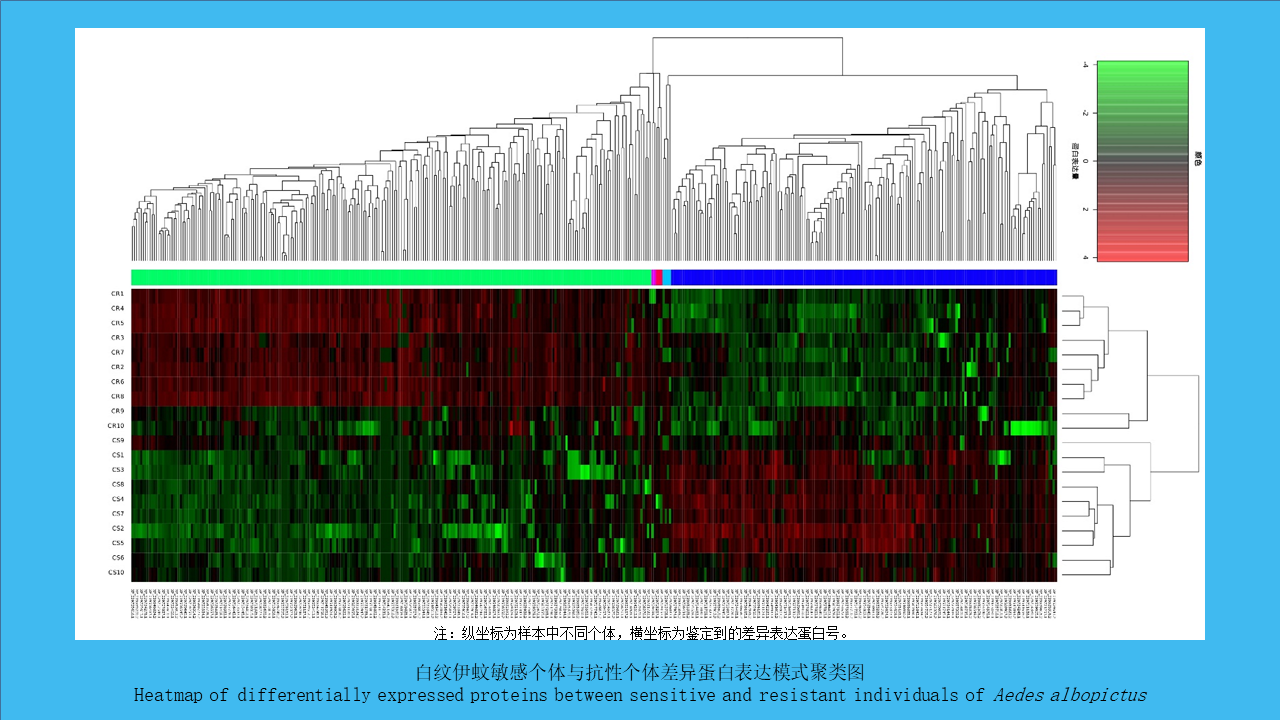
    Objective To perform bioinformatics analysis of differentially expressed proteins between beta-cypermethrin-resistant and -sensitive individuals of Aedes albopictus population in Changping, Beijing, China, to study the metabolic mechanism of beta-cypermethrin resistance in Ae. albopictus, and to provide theoretical a basis for the rational use of insecticides according to the drug resistance of Ae. albopictus. Methods Beta-cypermethrin-resistant and -sensitive individuals of Ae. albopictus population in Changping were selected by biological assay. Total proteins were extracted for LC-MS/MS analysis. Differentially expressed proteins were identified by bioinformatics analysis and confirmed at the mRNA level. Results A total of 1 861 proteins were identified by bioinformatics analysis, of which 383 were differentially expressed, including 213 up-regulated and 170 down-regulated proteins in resistant individuals. Eight differentially expressed proteins related to drug metabolism according to KEGG pathway enrichment analysis (P<0.05) were selected for validation at the mRNA level. Alanine aminotransferase, UMP-CMP kinase, and glutathione S-transferase were up-regulated in resistant individuals. Conclusions There are differentially expressed proteins between beta-cypermethrin-resistant and -sensitive individuals of Ae. albopictus. Alanine aminotransferase, UMP-CMP kinase, and glutathione S-transferase are up-regulated in resistant individuals, which may be associated with beta-cypermethrin resistance.
  • XIAO Qiu-qiu, LI Wei-yi, HE Shan, CHENG Jin-zhi, PENG Zhe-hui, WU Jia-hong
    Chinese Journal of Vector Biology and Control. 2023, 34(2): 204-211. https://doi.org/10.11853/j.issn.1003.8280.2023.02.010
    Abstract ( ) Download PDF ( )   Knowledge map   Save
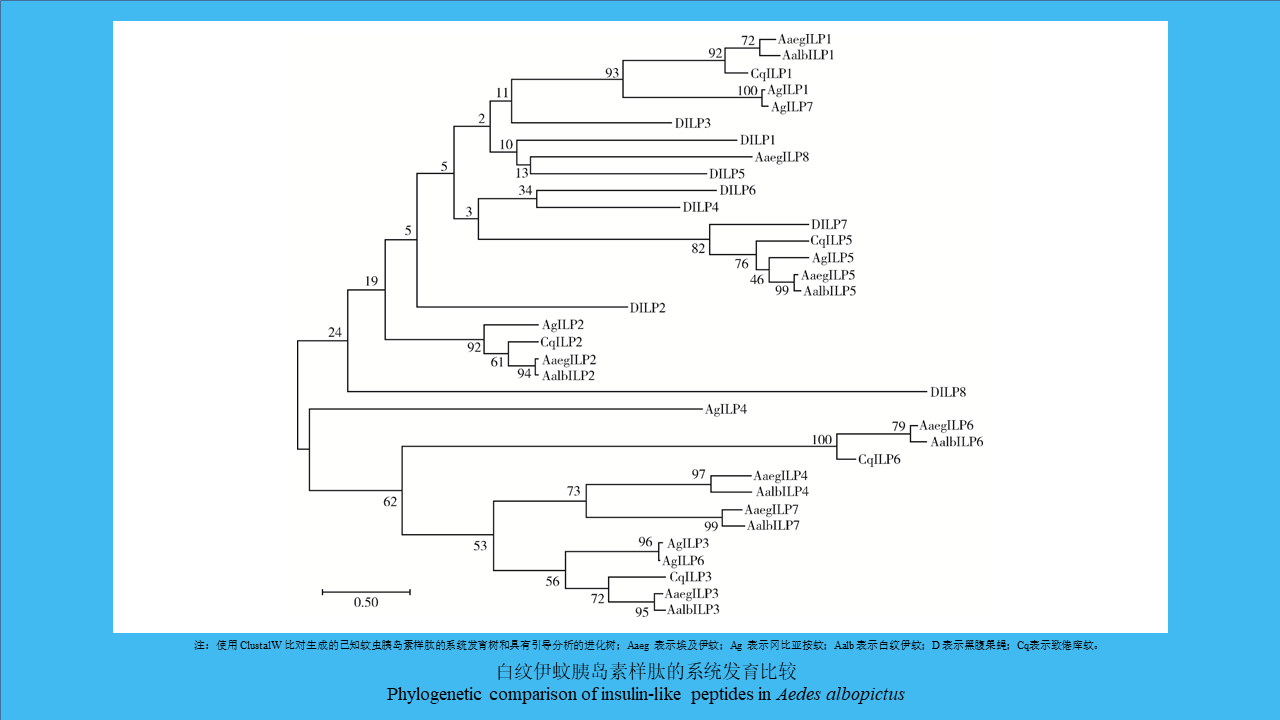
    Objective To identify the insulin-like peptide (ILP) genes from the whole genome of Aedes albopictus, and to analyze the gene structure and its expression profiles at various developmental stages and in different tissues. Methods The ILP gene family was identified by homology comparison in the whole genome database of Ae. albopictus on the Vectorbase website. Signal peptide prediction was performed by SignalP 6.0 software. The structural features of ILP genes were analyzed by MEGA 11.0 software. The phylogenetic tree was constructed by the maximum likelihood method. Quantitative real-time PCR (qRT-PCR) was used to detect the changes in ILP gene expression at different mosquito developmental stages (eggs, fourth instar larvae, pupae, and adults) and in different tissues (head, fat body, midgut, thorax, and ovary) of female mosquitoes before and after blood feeding. SPSS 20.0 software was used for statistical analysis. The Tukey’s HSD test was used to analyze the expression of AalbILPs at different developmental stages, and the t-test was used to compare the expression of AalbILPs in different tissues before and after blood feeding. Results Seven AalbILP open reading frame sequences were identified from the whole genome of Ae. albopictus. The seven AalbILP sequences had the conserved characteristics of the insulin superfamily, and the propeptide consisted of continuous signal peptides, B, C, and A chains; AalbILP6 had a truncated C chain and carboxy-terminal extension, similar to the insulin growth factor in vertebrates. The clustering evolutionary tree demonstrated that AalbILP1, 2, 3, and 5 were most conservative among mosquitoes, followed by AalbILP6, and both AalbILP4 and 7 were unique to Aedes. The results of qRT-PCR showed that AalbILP1, 2, 3, and 5 were expressed at different developmental stages. Compared with other developmental stages, AalbILP5 was the highest expressed in male adult mosquitoes (1.358 3±0.576 9; qegg=6.572, qlarva=5.771, qpupa=5.409, qfemale=3.115, all P<0.05). AalbILP 3 and 4 were specifically expressed in the head of the whole mosquito, and AalbILP6 was principal expressed in the ovaries of female adult mosquitoes. AalbILP7 is a pseudogene and is not transcribed. Compared to the non-blood mosquitoes, the expression level of AalbILP3 and AalbILP4 in the head of female mosquitoes were significantly upregulated by 2.60 and 1.68 times (tAalbILP3- head=9.596, PAalbILP3- head<0.001; tAalbILP4-head=4.524, PAalbILP4-head=0.001); The expression of AalbILP1 in the head, fat body and midgut was up-regulated by 10.33, 6.07, and 3.79 times(thead=4.255, Phead=0.001; tfat body=4.305, Pfat body=0.001; tmigut=10.480, Pmigut<0.001), but the expression of throax and ovary decreased 4.24 and 2.17 times (tthroax=7.922, Pthroax<0.001; tovary=3.752, Povary=0.003); The expression of AalbILP6 in midgut and ovary was up-regulated 11.91 and 2.16 times (tmigut=5.799, Pmigut<0.001; tovary=9.074, Povary<0.001). Conclusions Six ILP sequences have been identified in the whole genome of Ae. albopictus and the spatiotemporal expression profiles of ILPs have been constructed.

  • Vector Surveillance
  • WU Li-qun, ZHOU Xin-xin, ZHOU Liang-cai, BAO Ji-yong, GUO Hui, LIU Qiu, CHEN Xiao-min
    Chinese Journal of Vector Biology and Control. 2023, 34(2): 212-217. https://doi.org/10.11853/j.issn.1003.8280.2023.02.011
    Abstract ( ) Download PDF ( )   Knowledge map   Save
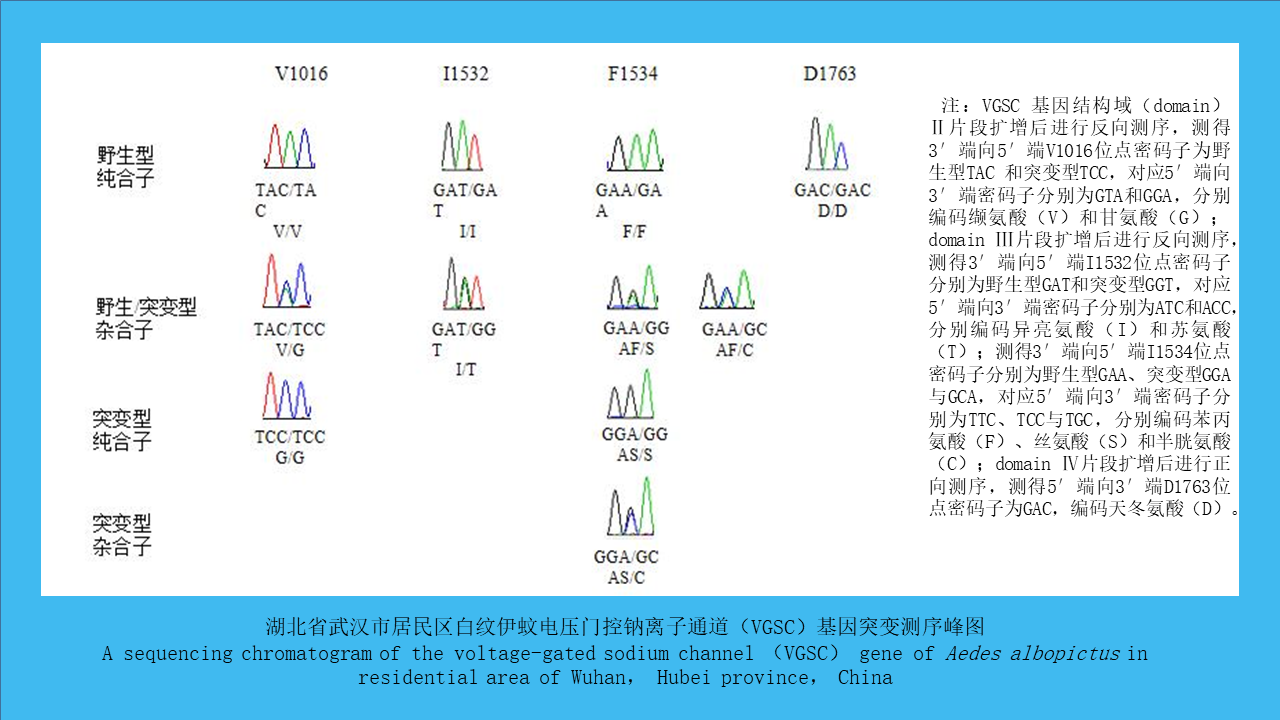
    Objective To investigate the mutations in the voltage-gated sodium channel (VGSC) gene of Aedes albopictus in the residential habitats of Wuhan, Hubei province, China, and to preliminarily explore the resistance development mechanism of Ae. albopictus in Wuhan. Methods Larvae and pupae of Ae. albopictus were collected from the residential habitats of Wuhan from August to October 2021 and raised to adults in the laboratory. Genomic DNA was extracted form each adult mosquito. The partial VGSC gene fragments were amplified by the polymerase chain reaction and sequenced to analyze the distribution of VGSC genotypes. The genotype distribution at each mutation site of the VGSC gene were compared for female and male mosquitoes by the Chi-square test. Results A total of 238 Ae. albopictus from the residential habitats of Wuhan, including 126 female mosquitoes and 112 male mosquitoes, were analyzed. Mutations were detected at the V1016, I1532, and F1534 loci of the VGSC gene. There were two alleles at the V1016 locus, namely wild-type GTA/V (43.91%) and mutant GGA/G (56.09%), and three genotypes, i.e., the wild-type homozygote V/V (19.33%), wild/mutant heterozygote V/G (49.16%), and mutant homozygote G/G (31.51%). There were two alleles at the I1532 locus, namely wild-type ATC/I (99.16%) and mutant ACC/T (0.84%), and two genotypes, i.e., wild-type homozygote I/I (98.32%) and wild/mutant heterozygote I/T (1.68%). At the F1534 locus, three alleles, i.e., wild-type TTC/F (60.72%), mutant TCC/S (33.19%), and TGC/C (6.09%), and five genotypes, i.e., wild-type homozygote F/F (35.30%), wild/mutant heterozygote F/S (41.60%) and F/C (9.24%), mutant homozygote S/S (10.92%), and mutant heterozygote S/C (2.94%), were detected. No mutant allele was found at the D1763 locus of the VGSC gene, at which only the wild-type allele GAC/D was detected (100%). There was no significant difference in the genotype distribution at the V1016, I1532, and F1534 loci of the VGSC gene between different sexes of Ae. albopictus (χ2=0.198, P=0.656; χ2=0.014, P=0.905; χ2=2.210, P=0.137). Conclusions The rate of VGSC gene mutation in Ae. albopictus is high in Wuhan, which might be one of the important mechanisms of Ae. albopictus rapidly developing resistance towards pyrethroid insecticides in Wuhan. Anyway, no significant difference was found in VGSC gene mutations between female and male mosquitoes.
  • ZHANG Yan, TIAN Zhen-zao, XIANG Yu-long, WANG Dan, ZHOU Jing-zhu, LIANG Wen-qin
    Chinese Journal of Vector Biology and Control. 2023, 34(2): 218-221. https://doi.org/10.11853/j.issn.1003.8280.2023.02.012
    Abstract ( ) Download PDF ( )   Knowledge map   Save
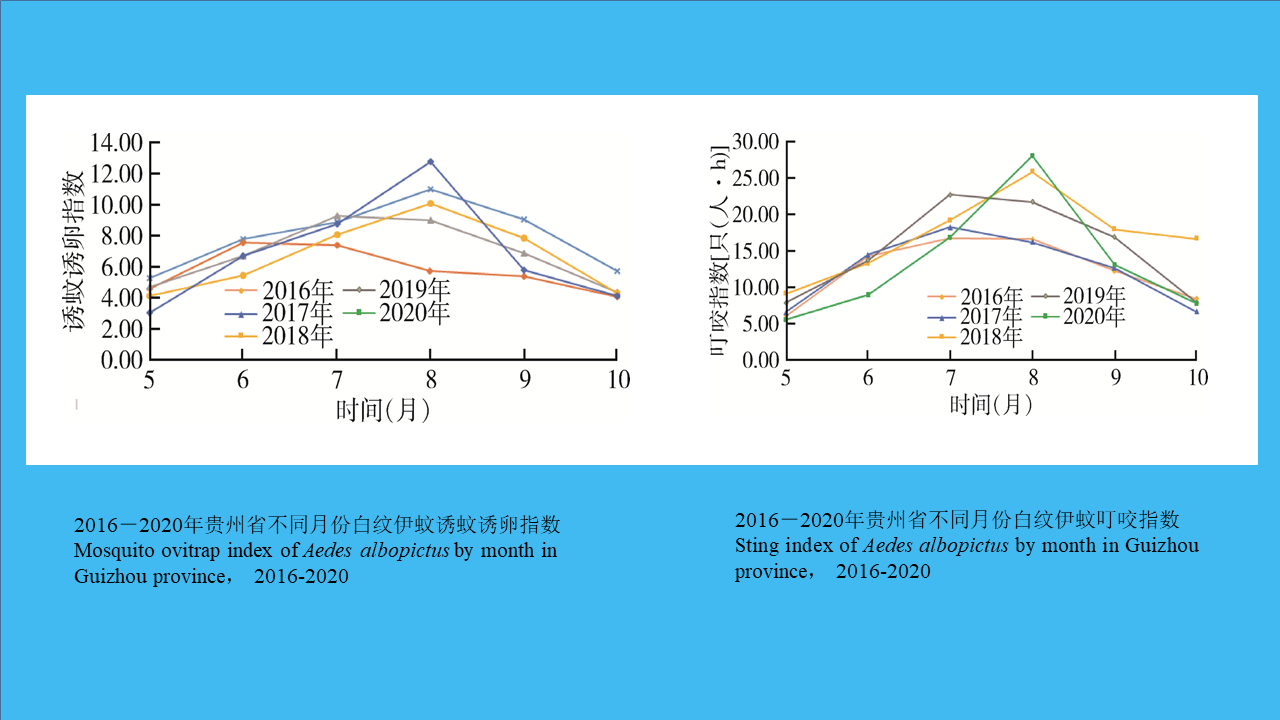
    Objective To investigate the population density and distribution of Aedes mosquitoes in Guizhou province, China, and to provide a scientific basis for the risk assessment, prediction, early warning, and control of dengue fever. Methods From May to October of 2016 to 2020, mosq-ovitrap and human-baited landing methods were used for Aedes surveillance at 9 Aedes surveillance sites of Guizhou province. Data were pooled using Excel 2013. SPSS 24.0 was used to perform analysis of variance on the mosq-ovitrap index (MOI) and sting index of different months. Results From 2016 to 2020, the MOI of Ae. albopictus was 5.82-7.95, and the sting index of Ae. albopictus was 11.69-17.01 mosquitoes/person·h. The peaks of MOI and sting index were observed in August. There was a statistical difference in the MOI of different months (F=4.017, P=0.002). Conclusions Ae. albopictus is widely distributed and has a relatively high density in Guizhou province, suggesting a high risk of the occurrence or epidemic of dengue fever. Local health authorities should strengthen the surveillance and control of Ae. albopictus to reduce the breeding of mosquitoes and prevent local endemics of dengue caused by imported cases.
  • WAN Lun, ZHANG Hua-xun, XIA Jing, WU Dong-ni, ZHANG Juan, CAO Mu-min, ZHU Hong
    Chinese Journal of Vector Biology and Control. 2023, 34(2): 222-226. https://doi.org/10.11853/j.issn.1003.8280.2023.02.013
    Abstract ( ) Download PDF ( )   Knowledge map   Save
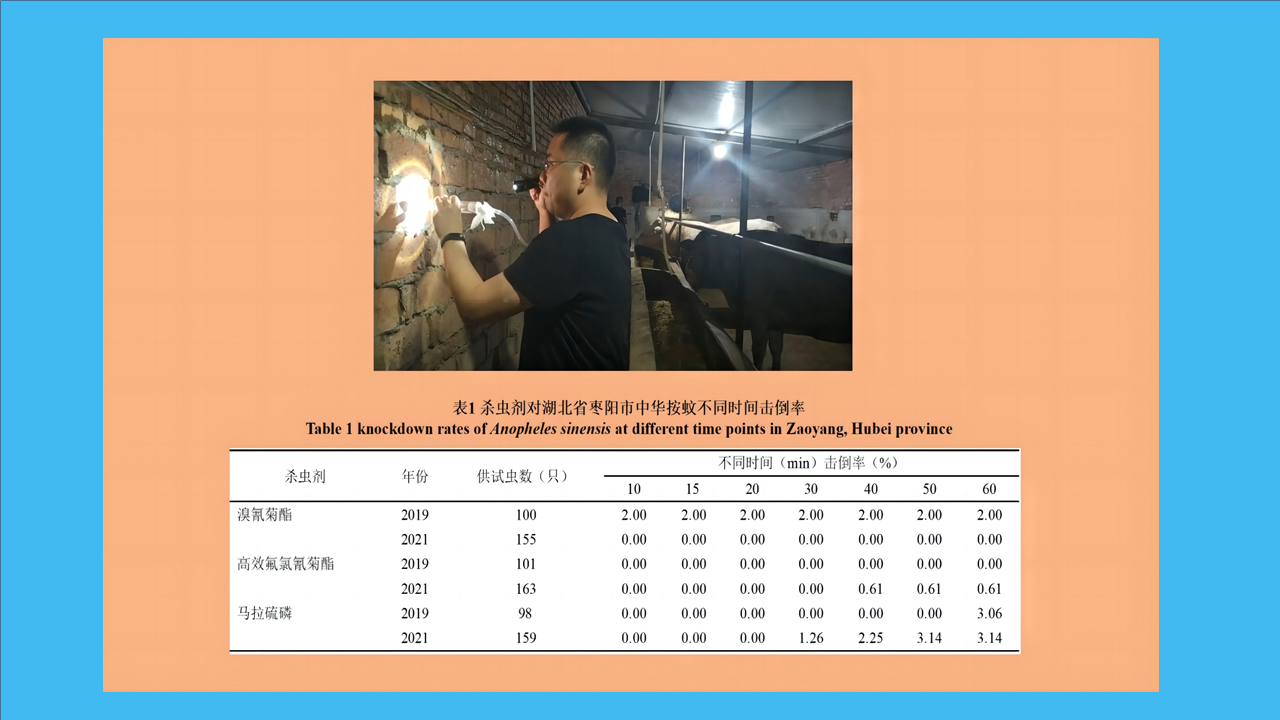
    Objective To investigate the susceptibility of wild Anopheles sinensis to insecticides, including deltamethrin, beta-cyfluthrin, and malathion, in Zaoyang, Hubei province, China, and to provide a scientific basis for the local malaria vector control. Methods An. sinensis mosquitoes were captured from cowsheds in Zaoyang of Hubei province in both July 2019 and July 2021. The filter-paper bioassay recommended by the World Health Organization (WHO) was used to determine the susceptibility of An. sinensis to deltamethrin, beta-cyfluthrin, and malathion. For each insecticide, the test procedures were repeated four times (n≈25) in 2019 and six times (n≈25) in 2021. During the measurement, the numbers of knocked down mosquitoes at 10, 15, 20, 30, 40, 50, and 60 min were recorded. After 60 min of exposure, all tested adult An. sinensis mosquitoes were transferred to the holding tubes, and the mortality was recorded 24 h later. The insecticide resistance level was assessed based on the WHO criteria. Excel 2007 software was used for data collation. SPSS 17.0 software and the Chi-square test were used to analyze and compare the differences in 60 min knockdown rate between 2019 and 2021. Results The experimental groups of deltamethrin had 60 min knockdown rates of 2.00% in 2019 and 0 in 2021, with a statistical difference between them (χ2=9.800, P=0.007), and had 24 h mortality rates of 7.74% in 2019 and 15.67% in 2021. The experimental groups of beta-cyfluthrin had 60 min knockdown rates of 0 in 2019 and 0.61% in 2021, with a statistical difference between them (χ2=6.400, P=0.011), and had 24 h mortality rates of 17.04% in 2019 and 4.36% in 2021. The experimental groups of malathion had 60 min knockdown rates of 3.06% in 2019 and 3.14% in 2021, with no statistical difference between them (χ2=8.000, P=0.156), and had 24 h mortality rates of 55.58% in 2019 and 82.24% in 2021. The resistance levels to the three types of insecticides were all "resistant" both in 2019 and 2021. Conclusions An. sinensis in Zaoyang, Hubei province has developed resistance to deltamethrin, beta-cyfluthrin, and malathion. The monitoring of insecticide resistance of An. sinensis should be strengthened. Insecticides should be used reasonably, and comprehensive control measures should be taken.
  • DUAN Biao, REN Tian-guang, TAO Ji-hong, SU Chao, PU En-nian, ZHAO Wen-hong, YA Hong-xiang, WU He-song, LU Liang
    Chinese Journal of Vector Biology and Control. 2023, 34(2): 227-232. https://doi.org/10.11853/j.issn.1003.8280.2023.02.014
    Abstract ( ) Download PDF ( )   Knowledge map   Save
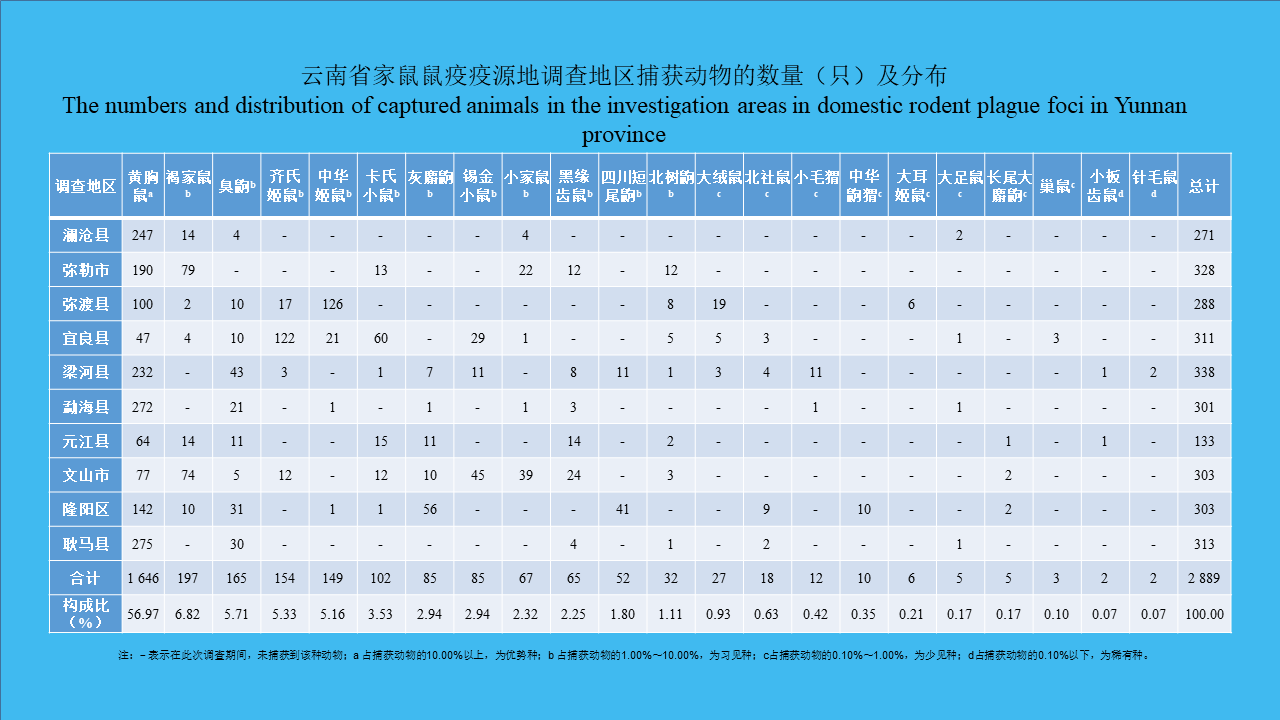
    Objective To investigate the community characteristics of small mammals during the quiescent stage of domestic rodent plague foci in Yunnan province of China after 2008 and the reasons for the disparities and changes in community structure, and to provide scientific data support for formulating plague control measures. Methods The stratified sampling method was used to select 10 cities/counties with representative geographical locations and quiescent years of plague in Yunnan province, i.e., Lancang, Midu, Gengma, Yiliang, Lianghe, Menghai, Yuanjiang, Mile, Wenshan, and Longyang, and field investigation was conducted in these areas. The morphological method was used to identify the captured small mammals, Excel 2010 software was used to analyze the sampling data, and the descriptive research method was used to investigate community structure characteristics. Results A total of 2 889 small mammals were captured in these areas and were identified as 22 species in 14 genera, 5 families, and 4 orders. Rattus tanezumi had a composition ratio of 56.97% (1 646/2 889) and was the dominant species; R. norvegicus (6.82%), Suncus murinus (5.71%), Apodemus chevrieri (5.33%), A. draco (5.16%), Mus caroli (3.53%), Crocidura attenuata (2.94%), M. pahari (2.94%), M. musculus (2.32%), R. andamanensis (2.25%), Anourosorex squamipes (1.80%), and Tupaia belangeri (1.11%) were common species; Eothenomys miletus (0.93%), Niviventer confucianus (0.63%), Hylomys suillus (0.42%), Neotetracus sinensis (0.35%), A. latronum (0.21%), R. nitidus (0.17%), C. dracula (0.17%), and Micromys minutus (0.10%) were uncommon species; Bandicota bengalensis (0.07%) and N. fulvescens (0.07%) were rare species. As for the dominant species of small mammals in the 10 areas, only R. tanezumi was the dominant species in Lancang, Menghai, and Gengma; R. tanezumi and another 1-3 species were the dominant species in the other 7 areas, but R. tanezumi was not the first dominant specie in Mile and Yiliang. Conclusion Diverse community structure is observed for small mammals during the quiescent stage of domestic rodent plague foci in Yunnan province, with significant regional differences.
  • WANG Chun-yu, BAI Yu-yin, ZHANG Jia-yong, DING Jun
    Chinese Journal of Vector Biology and Control. 2023, 34(2): 233-237. https://doi.org/10.11853/j.issn.1003.8280.2023.02.015
    Abstract ( ) Download PDF ( )   Knowledge map   Save
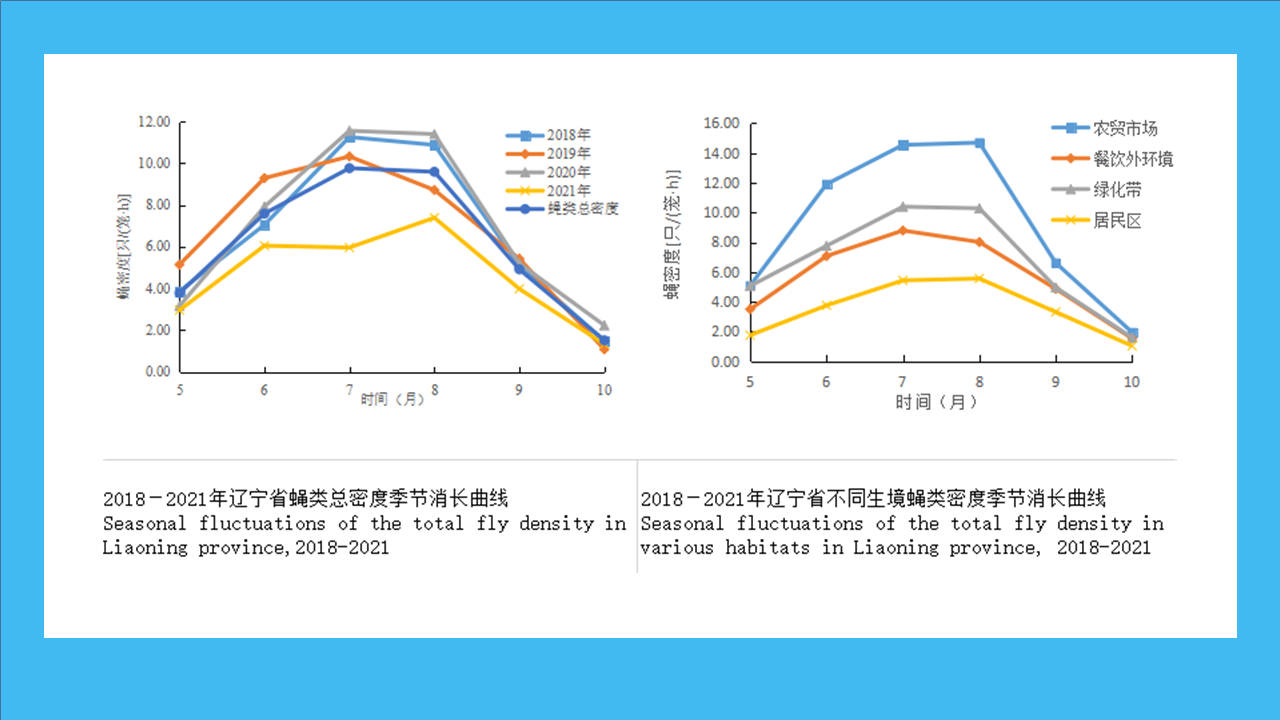
    Objective To investigate the fly species composition, density and seasonality in human dwellings and surroundings in Liaoning province, China, and to provide a scientific basis for the prevention and control of flies. Methods From May to October, 2018-2021, four types of habitats, residential areas, restaurants, greenbelts, and outdoor farmers’ markets, were chosen for investigation. The cage trapping method was used for fly density surveillance. Excel 2010 and SPSS 23.0 softwares were used to statistically analyze the obtained data. The Chi-square test was used to compare the composition of fly species between different years and different habitats. The Levene test was used to test the homogeneity of variance of fly densities in each year and each habitat. The Friedman test for multiple paired samples was used to compare the seasonal fluctuations of fly density between different years and habitats. Results From 2018 to 2021, a total of 2 239 fly traps were deployed in Liaoning province, and 83 690 flies were captured. The dominant species were Lucilia sericata, Musca domestica, Muscina stabulans, and Sarcophagidae flies, together accounting for 79.95% of the total captured. L. sericata was the dominant species in all four habitats. The overall fly density was 6.23 flies/trap·h, and the annual fly density in 2018-2021 was 6.72, 6.68, 6.97, and 4.61 flies/trap·h, respectively. In terms of various habitats, Farmers’ markets had the highest fly density (9.20 flies/trap·h), and residential areas had the lowest fly density (3.47 flies/trap·h). The overall seasonal fluctuations of fly density showed a bimodal curve, and the peak occurred in July-August. There were significant differences in the seasonal variation of fly density between different years (χ2=14.174, P=0.001) and different habitats (χ2=9.652, P=0.008). Conclusions The fly species composition, density, and seasonal fluctuations in human dwellings and surroundings in Liaoning province were mastered. It is suggested that integrated control measures should be taken as early as before the peak of fly infestation, so as to reduce the density of flies and reduce the occurrence of diseases.
  • Investigation
  • LAN Xue-mei, WEI Chun, ZHU Jin, LI Jun-ming, LUO Chun-hai, YANG Ming-dong, RONG Yi-hanyu, JIANG Jin-yong
    Chinese Journal of Vector Biology and Control. 2023, 34(2): 238-243. https://doi.org/10.11853/j.issn.1003.8280.2023.02.016
    Abstract ( ) Download PDF ( )   Knowledge map   Save
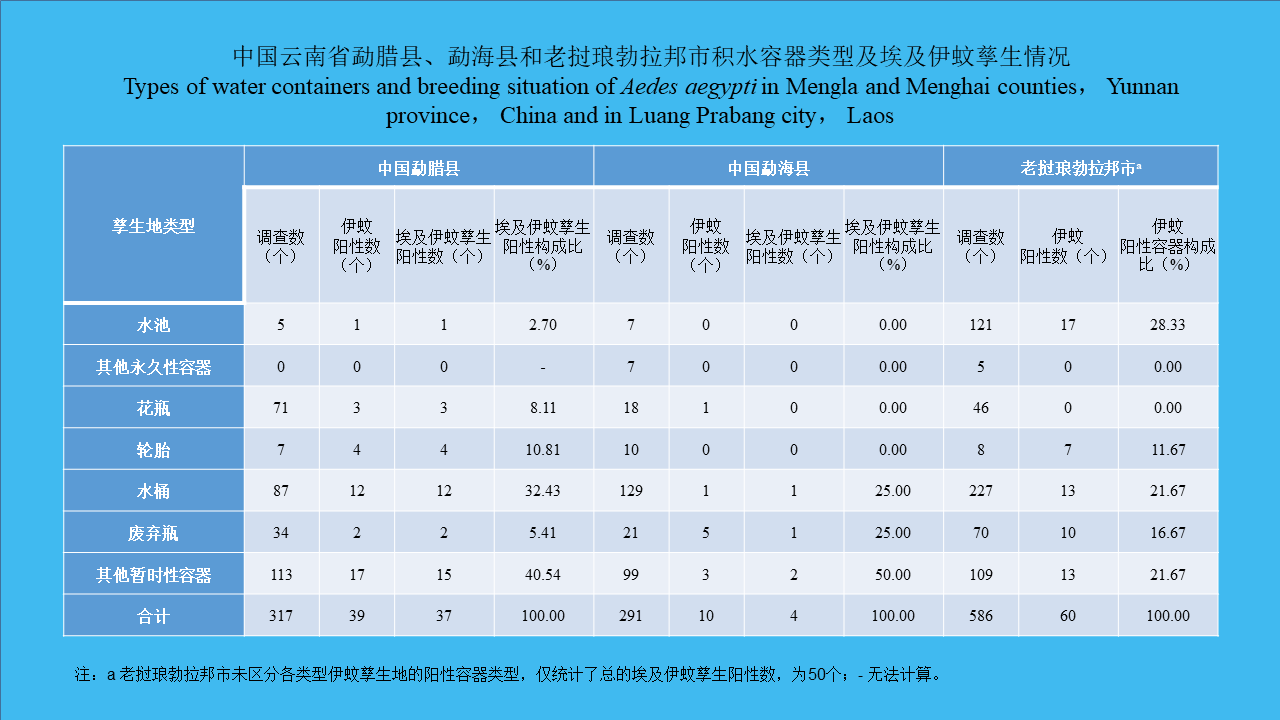
    Objective To compare the breeding habits and insecticide resistance level of Aedes aegypti in key areas of dengue fever in China and Laos, and to guide scientific and rational selection of insecticides. Methods The Breteau index (BI) method was used to examine all water containers in residential areas in Mengla and Menghai counties of China and Luang Prabang city of Laos. Mosquito larvae in positive containers were collected and identified. The collected Ae. aegypti larvae were reared to adult mosquitoes in the laboratory, followed by testing their resistance levels to common insecticides using the filter paper contact method. Results A total of 800 households were investigated, of which 78 households were positive for Aedes mosquitoes. A total of 1 194 water containers or ponding (hereinafter referred to as containers) of seven types were found, with 109 being positive. The mean BI was 13.63. Buckets were the most common type of water containers, accounting for 37.10%. The most common Aedes positive containers belonged to other temporary containers, accounting for 30.28%. There were 18 containers (16.51%) positive for Ae. albopictus mosquitoes, and 91 (83.49%) positive for Ae. aegypti. The 24-hour mortality rates of Ae. aegypti in Mengla county exposed to 3.20% permethrin, 0.08% lambda-cyhalothrin, 0.27% beta-cypermethrin, 0.20% deltamethrin, 0.25% malathion, 0.25% fenitrothion, and 0.03% propoxur were 3.51%, 5.69%, 4.07%, 63.45%, 97.86%, 100%, and 80.65%, respectively. The 24-hour mortality rates of Ae. aegypti in Menghai county exposed to the above-mentioned insecticides were 8.57%, 2.86%, 3.23%, 8.24%, 92.51%, 100%, and 90.96%, respectively. The 24-hour mortality rates of Ae. aegypti in Luang Prabang city exposed to 3.20% permethrin, 0.08% lambda-cyhalothrin, 0.20% deltamethrin, 0.25% fenitrothion, and 0.03% propoxur were 67.53%, 25.47%, 72.63%, 100%, and 98.82%, respectively. Conclusions The main breeding sites of Ae. aegypti differ in China and Laos, which are water pools in Laos while bucket and other temporary containers in China. In both regions, adult Ae. aegypti mosquitoes have developed different levels of resistance to various pyrethroid insecticides, with higher resistance in China, while they are possibly resistant or sensitive to organophosphorus and carbamate insecticides. We suggest strengthening the surveillance of the population density and insecticide resistance of Ae. aegypti and selecting rational insecticides to control mosquitoes.
  • WANG Bin, LI Gui-chang, DONG Li, MU Qun-zheng, ZHAO Ning, SONG Xiu-ping, LU Liang, LI Dong-mei, LI Xing-zhou, LIU Qi-yong
    Chinese Journal of Vector Biology and Control. 2023, 34(2): 244-249. https://doi.org/10.11853/j.issn.1003.8280.2023.02.017
    Abstract ( ) Download PDF ( )   Knowledge map   Save
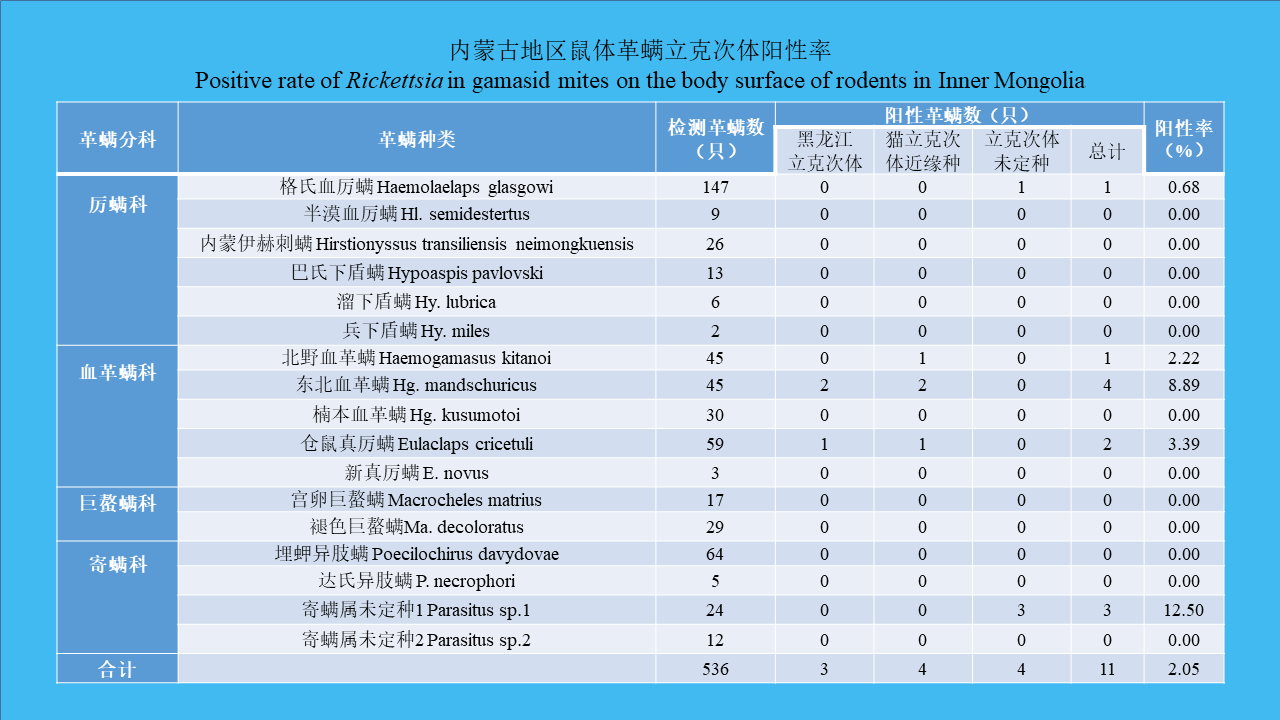
    Objective To determine the species and positive rate of Rickettsia carried by gamasid mites on the body surface of rodents in Inner Mongolia Autonomous Region (Inner Mongolia), China, and to provide a basis for the prevention and control of local infectious diseases. Methods DNAs of gamasid mites on the body surface of rodents in different areas of Inner Mongolia were extracted, and the 17 kDa gene sequence was amplified by nested polymerase chain reaction (PCR). The outer membrane protein A (ompA) sequence was amplified for samples positive for the 17 kDa gene. The PCR products obtained by amplification were sequenced, and the phylogenetic tree was constructed after homology comparison between the sequencing results and the sequences from the National Center for Biotechnology Information, USA. Results Rickettsia was detected in 11 of 536 gamasid mites, and the total positive rate was 2.05%. The species of Rickettsia included R. heilongjiangensis, a sibling species of R. felis, and an unknown species of Rickettsia. Their host mites included Haemogamasus mandschuricus, Eulaelaps cricetuli, Hg. kitanoi, Haemolaelaps glasgowi, and deutonymphs of Parasitus sp., with the positive rates of 8.89%, 3.39%, 2.22%, 0.68%, and 12.50%, respectively. The hosts that carried gamasid mites positive for Rickettsia included Spermophilus dauricus, Allactaga sibirica, and Lasiopodomys brandtii. Conclusion Gamasid mites on the body surface of rodents in Inner Mongolia carry a variety of Rickettsia, including the species that are human pathogen.
  • SONG Fu-chun, WANG Jian, FAN Qiao-yun, SHEN Jing, LI Chao-pin, HE Ji
    Chinese Journal of Vector Biology and Control. 2023, 34(2): 250-253. https://doi.org/10.11853/j.issn.1003.8280.2023.02.018
    Abstract ( ) Download PDF ( )   Knowledge map   Save
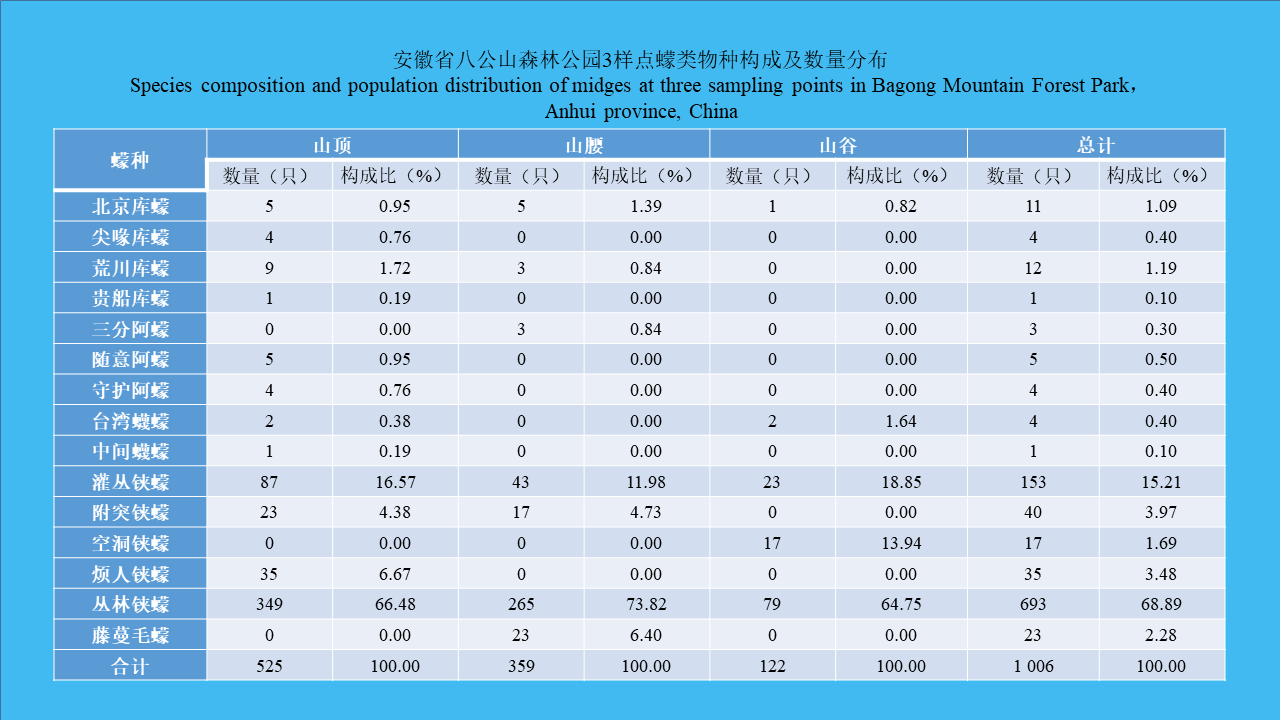
    Objective To investigate the species of midges in Bagong Mountain National Forest Park, Anhui province, China, and analyze their species composition, diversity, and spatial distribution characteristics. Methods Sampling sites were selected at three different elevations (mountain top, mountainside, and valley) of Bagong Mountain National Forest Park. Midges were captured by netting and light trapping, followed by sample preparation, identification, and classification. A diversity index was calculated. Excel 2010 software was used for statistical analysis of data. Results A total of 1 006 midges were captured, which belonged to 15 species in 5 genera under 3 subfamilies, with 7 species of 2 genera from the subfamily Ceratopogoninae, 7 species of 2 genera from the subfamily Forcipomyiinae, and 1 species of 1 genus from the subfamily Dasyheleinae. It was the first time to discover and report 8 new records of midge species in Anhui province: Culicoides kibunensis, Alluaudomyia lucania, A. signosoma, Lasiohelea interceda, Forcipomyia appendicular, F. cavatus, F. conturbatus, and Dasyhelea ampelis. The composition and distribution of midges differed at different sites. The number of midges captured was highest at the mountain top, involving 12 species of 4 genera, followed by the mountainside with 7 species of 4 genera, with the least number of midges at the valley with only 5 species of 3 genera. F. bessa and F. frutetorum were the dominant species in the forest park. For the three different sampling sites, the species richness index (R) was 0.83-1.76, the species diversity index (H') was 0.94-1.17, the evenness index (J) was 0.45-0.60, and the domination index (D) was 0.48-0.57. Conclusions The species composition of midges in Bagong Mountain National Forest Park is special. This survey demonstrated that the species diversity of midges in Anhui province is enriched, and at the same time, the composition and species diversity of midges differ at different sampling points.
  • WU Sheng-chun, MENG Jiao, HUANG Jian-sheng, YU Fu-xun, WU Jia-hong, YANG Guang-hong, JIANG Jia-fu, SUN Yi, CAO Wu-chun, ZHAN Lin
    Chinese Journal of Vector Biology and Control. 2023, 34(2): 254-261. https://doi.org/10.11853/j.issn.1003.8280.2023.02.019
    Abstract ( ) Download PDF ( )   Knowledge map   Save
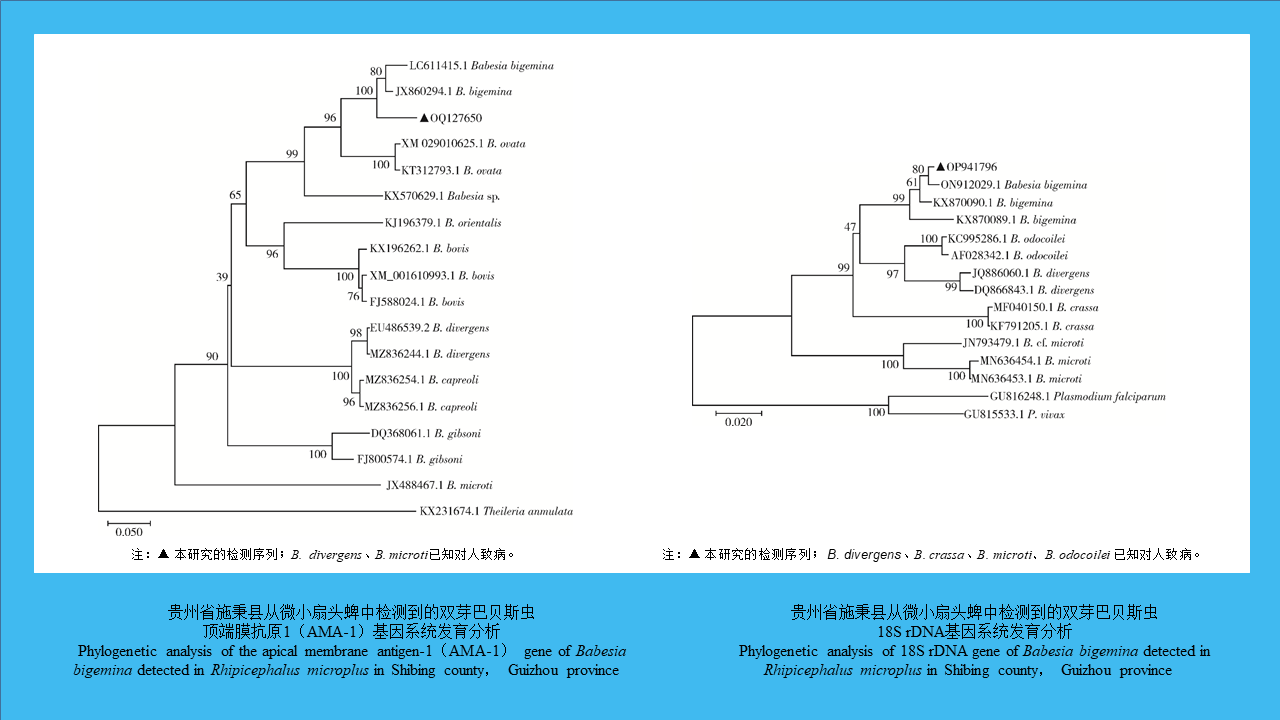
    Objective To investigate the infection of Babesia bigemina in ticks at Shibing county in Guizhou province of China. Methods Ticks were collected from the body surface of free-range cattle in Shibing from 2021 to 2022. The 16S rDNA and cytochrome c oxidase subunit Ⅰ(COX1) gene detection techniques were used to identify the tick species after preliminary morphological classification. The samples were initially screened with Piroplasma 18S rDNA gene, followed by PCR verification and sequencing with B. bigemina apical membrane antigen-1 (AMA-1) gene. The resulting sequences were aligned using BLAST at the National Center for Biotechnology Information (NCBI) website. Phylogenetic trees were constructed by using the neighbor-joining method to understand the genetic evolution characteristics of tick-borne B. bigemina in Shibing. Results In this study, 615 ticks were collected and assigned to 2 genera and 4 species, including Rhipicephalus microplus, R. haemaphysaloides, Haemaphysalis longicornis, and H. kitaokai. Nucleic acid fragments of B. bigemina were detected in R. microplus. The sequencing result showed that the AMA-1 gene sequence was closely related to the B. bigemina detected from bovine blood in the Philippines and the tick of Hyalomma anatolicum in Sudan, and the 18S rDNA sequence was most closely related to B. bigemina in India. Conclusions The parasitic ticks on the body surface of free-range cattle in Shibing carry the nucleic acid fragments of B. bigemina, suggesting infection of the vector ticks in Shibing with B. bigemina. Our results provide reference data for the prevention and control of tick-borne protozoonosis in this area.
  • NIE Xu-tong, LI Yue, YANG Hui, ZHANG Chun-tian
    Chinese Journal of Vector Biology and Control. 2023, 34(2): 262-269. https://doi.org/10.11853/j.issn.1003.8280.2023.02.020
    Abstract ( ) Download PDF ( )   Knowledge map   Save
    Objective To investigate the faunal resource of Tachinidae (Insecta: Diptera) from Mt. Lishan National Nature Reserve, Shanxi, China. Methods In July 2012 and July 2022, adult tachinid specimens were collected by net trapping at different locations and transect intervals in Mt. Lishan National Nature Reserve. The specimens collected were prepared in the laboratory and examined by comparative morphology using a stereomicroscope for classification and identification. Results According to the identification results as well as existing data, 108 tachinid species of 59 genera, 17 tribes, and 4 subfamilies were reported in the Mt. Lishan National Nature Reserve, including one newly recorded genus in China, Dionaea Robineau-Desvoidy, 1830, one newly recorded species in China, D. aurifrons (Meigen, 1824) and 12 newly recorded species in Shanxi province. Conclusions The investigations of Tachinidae resource in Mt. Lishan National Nature Reserve provide basic data for the understanding of biological resources as well as biodiversity conservation and utilization in Mt. Lishan National Nature Reserve.
  • Taxonomic Identification
  • YIN Qi-kai, WANG Jing, FU Shi-hong, NIE Kai, LI Fan, HE Ying, XU Song-tao, WANG Huan-yu, LIANG Guo-dong
    Chinese Journal of Vector Biology and Control. 2023, 34(2): 270-275. https://doi.org/10.11853/j.issn.1003.8280.2023.02.021
    Abstract ( ) Download PDF ( )   Knowledge map   Save
    Objective To investigate the species and prevalence of viruses carried by sandfly specimens in Wuxiang county, Shanxi province, China. Methods Sandfly specimens were collected in Wuxiang county, Shanxi province in June 2018, and virus isolation was conducted using two cell lines of golden hamster kidney cells (BHK-21 cells) and Aedes albopictus egg cells (C6/36 cells) preserved in the laboratory. The positive isolate was subjected to viral RNA extraction and cDNA library preparation, followed by viral gene amplification, nucleotide sequence determination, and phylogenetic analysis. Results The SXWX1816-2 strain caused cytopathic effects in mammalian cells (BHK-21 cells), but no cytopathic effect in insect cells (C6/36 cells). The results of nucleotide sequence determination and analysis of the virus genome showed that the lengths of nucleotide sequences in the coding region of M and S genes of the virus were 4 089 and 1 611 nt; the results of nucleotide and amino acid sequence homology and phylogenetic analysis of M and S genes of the virus showed that the SXWX1816-2 strain belonged to the Phlebovirus genus from the Phenuiviridae family, which shared the highest homology and closest phylogenetic relationship with Wuxiang virus (WUXV) previously isolated in China. Conclusions This study clarifies the taxonomic status of the virus (SXWX1816-2) isolated from natural sandflies in China. The results provide important basic data for the research on viruses carried by blood-sucking insects in China, especially the virus carried and transmitted by sandflies.
  • Review
  • DENG Wan, LI Mi, MO Jian-chu
    Chinese Journal of Vector Biology and Control. 2023, 34(2): 276-284. https://doi.org/10.11853/j.issn.1003.8280.2023.02.022
    Abstract ( ) Download PDF ( )   Knowledge map   Save
    Mosquitoes are globally recognized as important vectors of many infectious diseases that threaten human health. Effective vaccines have not been successfully developed for most mosquito-borne diseases, except for Japanese encephalitis and yellow fever, and the use of repellents as an effective preventive measure is important for reducing the risk of these diseases. Traditional chemical control agents have the problems of insect resistance and environmental pollution. Botanical monomer compounds as safe and green repellents have become a research hotspot. In this review, we summarize botanical monomeric compounds as mosquito repellents and their repellent activities in categories. The activity and prospect of botanical monomeric compounds as mosquito repellents were summarized in this paper, which provide reference for the scientific formulation of mosquito control programs and the research and development of new control technologies.